7 PG-13 Horror Movies That Are Actually Scary To Watch

If you’re a horror fan, then there’s a pretty good chance that you roll your eyes whenever you see a horror movie with a PG-13 rating. While horror as a genre definitely skews toward more mature tastes, mostly thanks to complex themes, a lot of violence, and plenty of T&A, not every horror movie is meant exclusively for adults. Sometimes horror films target younger, teenage audiences, or people who may find intense horror movies like Silence of the Lambs (1991) a bit too much, and that’s perfectly fine.
However, PG-13 horror movies carry a stigma. They could be full of jump scares, seem more interested in mass appeal than being scary, and/or feature some pretty tame gore or violence. While that may be true for some PG-13 horror films, that isn’t the case for all. Some actually manage to be pretty scary and just as good as their R-rated brethren. So if you’re looking for some horror movies for your older kids and horror-curious friends that are still good, go to places like Amazon Prime Video and Paramount+ and consider giving these seven PG-13 horror films a watch.


If you had to think of a single PG-13 horror franchise, there’s a good chance that the Insidious films come to mind. It’s a franchise that modernizes the ghost story and creates its own rich world with plenty of lore, but by all accounts, the first film is the best.
What makes Insidious such a great PG-13 horror film is how much it hides from the audience. We don’t know what’s happening to the Lambert family and their oldest son, Dalton, with the film only dripping clues to the audience. Is it ghosts? Possession? Demons? All of the above? It keeps things close to the chest and lets the audience stew in the tense atmosphere of the Lambert house, with the occasional burst of horror, most infamously in the form of the single greatest jump scare of all time. It’s clear that James Wan used what he learned here to help craft the supernatural scares in The Conjuring (2013), but Insidious’ unique blend of lore and horror helps give it an identity of its own and several sequels to chew on.














Some directors understand how to make a horror movie. They know the language of horror, how to frame a scare, and how to edit a scene just right to maximize terror. Sam Raimi is one of those people, and Drag Me to Hell is one of his most underappreciated films.
In an era where PG-13 horror movies tried to play it as safe as possible, here was a horror movie that gave us a campy and wild B-movie experience in line with Raimi’s earlier magnum opus Evil Dead II (1987). The gooey practical effects are especially delightful, and seeing Alison Lohman’s Christine go through the same amount of torment Ash did is both funny and frightening. Whenever you think Drag Me to Hell can’t one-up itself, it does so, and you’ll want to have the popcorn on standby for this one. It’s like walking through a top-tier haunted house where each turn gives you something new to scream and laugh at, fully embracing its unique brand of chaos. And we wouldn’t have it any other way.










Sometimes a horror movie is great because of its special effects. Sometimes it's the way the script expertly weaves together one terrifying scene after another. But sometimes it’s because of the performances, and one of the best all-time horror performances, PG-13 movie or otherwise, is Jennifer Carpenter in The Exorcism of Emily Rose.
In the hands of any other actress, The Exorcism of Emily Rose would have been seen as a lesser version of The Exorcist (1973), but much like Linda Blair before her, Jennifer Carpenter owns the film. Framing the film as a courtroom drama grounds the film’s two-hour runtime in a light that makes the demonic material all the more terrifying. Seeing Carpenter contort herself, often without the aid of special effects, embodies so many different emotions that it wouldn’t be a stretch to call it one of the best possession movies ever made. All you have to do is watch the 3:00 a.m. scene to really understand how you don’t need an R-rating to be scary.



There’s something not quite right in I Saw the TV Glow. From the opening scenes, there’s a surreality in Jean Schoenbrun’s sophomore outing that makes it clear that something isn’t quite right with the world, but you can’t put your finger on it.
I Saw the TV Glow isn’t the kind of horror film to make our heroes face unspeakable entities (though a few are definitely lurking in the shadows). Instead, it makes you feel hollow inside, slowly but surely accepting that the world is broken and there’s no fixing it. This is a sad horror film, one where our protagonist Owen is filled with a palpable level of self-loathing that frames its horror in a hyper-nostalgic way, almost perfectly replicating the tone and atmosphere of ‘90s shows for teenagers like The Adventures of Pete & Pete (1993). No matter how old you are, prepare to let the sorrow of I Saw the TV Glow wash over you.



'80s horror and campiness are almost impossible to separate. While there are plenty of films from the decade that are truly terrifying in their own right, most horror films wanted to entertain their audiences more than scare them, like The Monster Squad.
If Hocus Pocus (1993) is a kid-friendly horror movie that never took itself seriously, The Monster Squad is the equivalent for pre-teen boys who wanted to be taken more seriously. Classic monsters like Dracula and the Wolf Man invade a small suburban town, but instead of them being taken down with traps or silly gags, the forces of evil are defeated by being kicked in the balls. That’s the kind of attitude The Monster Squad is rolling with. It’s rude, filled with adolescent angst, but doesn’t forget to be a little spooky, with a setting and vibe that’s perfect for Halloween and a great gateway film for younger kids into the wide world of horror.






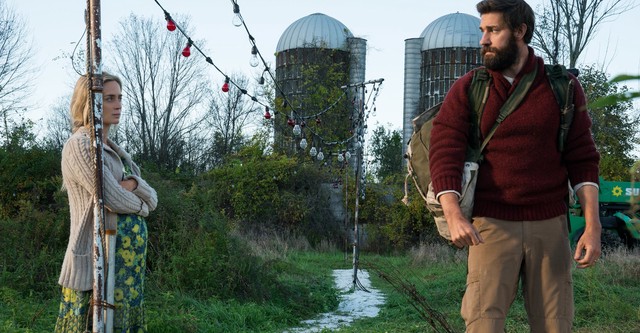

You know a horror movie is good when even the slightest sound can fill viewers with an innate sense of terror, but that’s exactly what makes A Quiet Place so good. The name of the game in A Quiet Place is silence. For most of the film’s 91-minute runtime, every sound comes tinged with terror and the potential for a wild monster to appear and eviscerate our heroes.
This is the kind of movie to see with as large a group as possible, as the film commands your attention and focus, only sparingly using dialogue. It’s the setting that really sells A Quiet Place, but once it becomes clear that the Abbott is preparing for a pivotal moment, your heart will start racing and begging for it to be over. Atmospheric thrillers like The Shining (1980) tend to dominate the discussion when it comes to atmospheric horror, but A Quiet Place is a very worthy crowd-pleaser that does everything a good popcorn horror flick needs to do.





Japanese and Western horror films couldn’t be more different. Japanese horror films are almost entirely reliant on atmosphere, with a focus on spirituality as opposed to the West’s preoccupation with slashers, thrillers, and violence. It’s not uncommon for Western filmmakers to remake Eastern horror movies, but it is rare when they’re done well, like The Ring.
Based on Ringu (1998), both films share the central concept of watching a cursed videotape and dying in seven days. It’s a great premise for a slow-burn psychological horror film, and The Ring manages to mix the best of both worlds. There’s the tension and drama of watching Naomi Watts’ Rachel attempting to find a way to end the curse, and the Eastern influences easily come through the cinematography and the creepy way Samara’s cursed tape is presented to the viewer. But when The Ring wants to show you its Western influences, then just leave it to Samara to emerge and do what she does best.