Why Controversial Director Emerald Fennell Is the Only One Who Could Make “Wuthering Heights”

It feels like we’ve been talking about “Wuthering Heights” for months already, and yet it’s only just hit cinemas this month. Billed as a steamy and modern twist on the classic Emily Brontë story, this film was always going to cause a stir, but that doesn’t really seem to be an issue for writer/director Emerald Fennell.
While critics are divided over “Wuthering Heights”, there are plenty of moviegoers who are coming away from the film satisfied. In fact, the film has already recouped its costs from its opening weekend alone. More specifically, while devoted Brontë fans find Fennell’s take on the story to be rather offensive, those who haven’t read the novel are largely unbothered by the controversy surrounding the adaptation.
It takes a brave filmmaker to dive into this kind of project. Even a highly faithful adaptation could upset a few folk. But for Fennell, that’s just par for the course.
Emerald Fennell’s Career Has Been Leading to “Wuthering Heights”
Emerald Fennell’s first big gig was as a writer on Killing Eve. She joined for Season 2 of the Phoebe Waller-Bridge darkly funny series, and to be honest, it’s not surprising she was picked up for that project.
Waller-Bridge and Fennell have a very similar sense of humour, while Killing Eve had plenty of scope for the shocking storylines, sexual themes, and grandiose costume work Fennell has become renowned for since.
From there, Fennell was given the chance to bring her own, original story to the big screen with Promising Young Woman in 2020. She won an Oscar for her screenplay, which was something of a surprise given that many viewers and critics were frustrated by the way the story ended. Like it or love it, though, Fennell’s feature debut was eye-catching with its clash of pastel colours and violent themes.
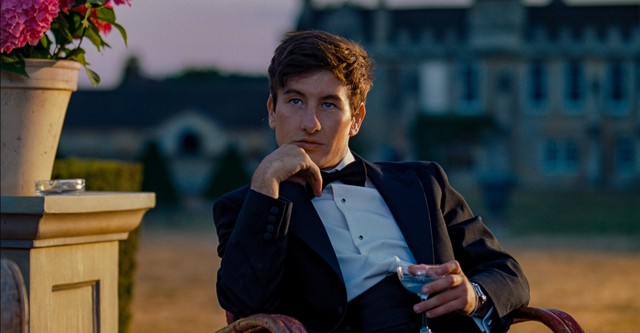
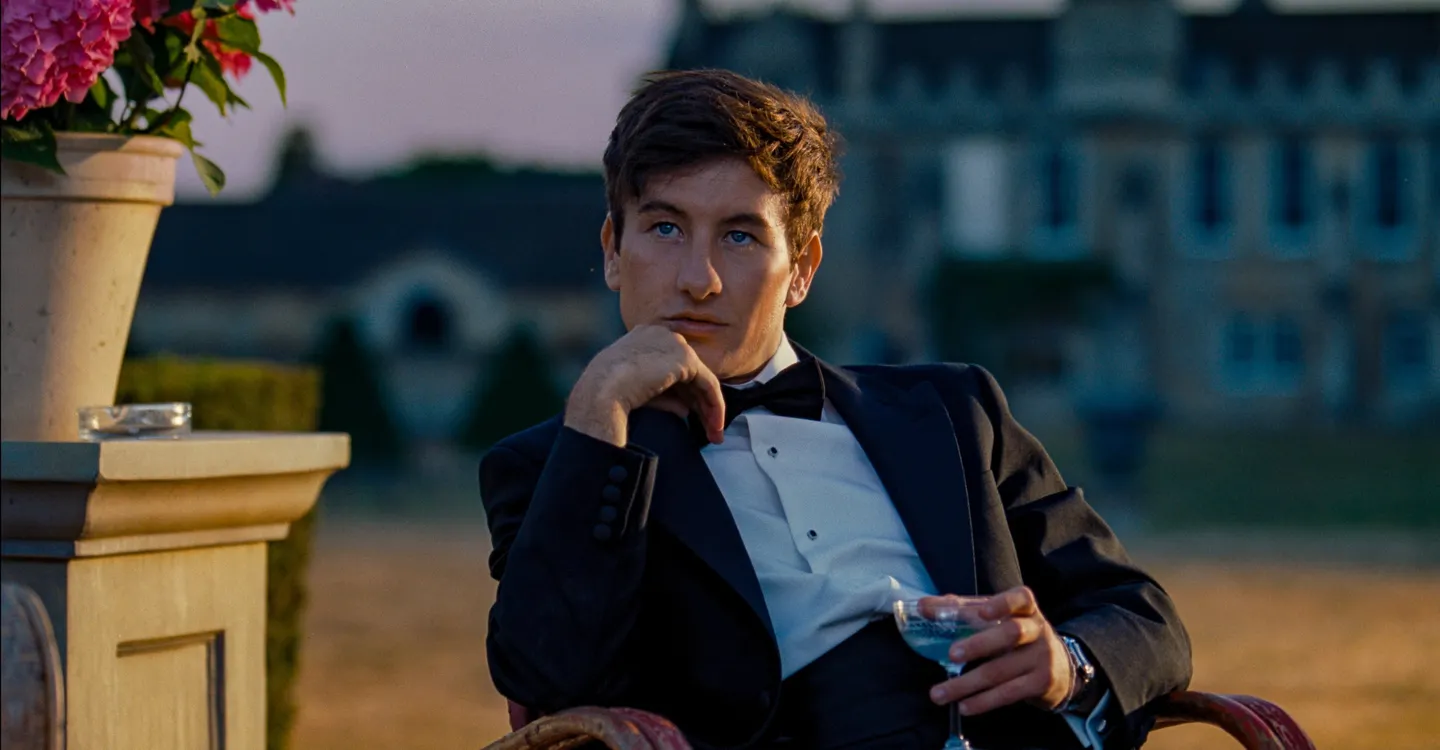
Promising Young Woman put Fennell on the film map, but it was her follow-up, Saltburn, that made her more of a household name. Bringing together rising star Barry Keoghan and heartthrob Jacob Elordi was always going to be a safe bet for a crowd-pleasing movie. Throw in a catchy ‘00s soundtrack, some risqué nudity, and surface-level shocks, and you’ve got the ideal flick to get viewers excited.
Critics and more seasoned film fans weren’t as happy, though. Indeed, Saltburn is a film that doesn’t really have anything new to say, with predictable plot twists for anyone who has seen the likes of The Talented Mr Ripley and Gattaca. Meanwhile, Fennell’s script is not sharp or incisive enough to truly dig into the issues of classism the novel raises, which leaves the film itself guilty of being more style over substance.
Still, that element of style is definitely a huge positive in Fennell’s body of work. Her eye for a beautiful shot is uncanny, while the production design in all of her films is sublime.
With enough technical ability and mainstream appeal to get noticed, Fennell earned the right to take on a major IP as her next project. And, with a penchant for darkly sexual content and dissecting of class conflict, there was really no reason not to give her the keys to Brontë’s classic tale.
Controversy Is Nothing New For Emerald Fennell
Just as we shouldn’t be surprised that Fennell was given the green light for her take on Wuthering Heights, we also saw the controversy around the release coming a mile off. After all, she’s a filmmaker who revels in subverting expectations and clearly wants her movies to get people talking, for better or worse.
Fennell’s motivations behind Promising Young Woman, for example, were admirable. Released around the time of the #MeToo movement, Fennell always intended this story to confront the systemic problem of how women are treated in modern society.
She also spoke about how the term “empowered” didn’t sit right with her, instead preferring to portray a raw and complex version of the vengeful woman trope. Fennell didn’t want to give her audience easy answers, and she did not want a happy ending. The fact that she went against the grain certainly divided audiences.
When Saltburn hit the big screen, Fennell said she was “thrilled” that it similarly provoked such extreme reactions from viewers. She insisted on keeping the most shocking sexual scenes in the final cut, as they depicted the true “horrors of love”. Interestingly, Fennell even compared Saltburn’s more intense scenes to moments she remembered from her favourite novel – and we all know what that is, don’t we?
Meanwhile, Saltburn itself even led to a new term being coined, with the ‘Saltburnification’ of film now very much a thing. Fennell’s trademark, whether she likes it or not, is to tackle serious, controversial issues through a highly stylised lens and with hypersexualised themes, all the while perhaps only really scratching the surface of what she could and perhaps should say.
For some, it’s considered the epitome of everything that’s wrong with filmmaking for the social media generation – creating nice-looking content that’s easily digestible yet ultimately shallow. For others, it’s exactly the kind of fast food cinema they crave – just enough to be entertained and feel thrilled for a couple of hours, before moving on to the next trend
Similarly, Fennell’s “Wuthering Heights” distorts Brontë’s story in just the right way to both infuriate those who know enough about the source material to care and be exhilarating for those who don’t. She never wanted to make a direct adaptation, stating such a thing is simply “not possible” given how complex the novel is. But that concept fits perfectly into Fennell’s modus operandi; she doesn’t make films to please everyone, she wants to challenge audiences and ruffle a few feathers.
In many ways, it’s an admirable approach to filmmaking. It won’t guarantee you positive reviews or box office success (though “Wuthering Heights” is proving the latter wrong), but at least Emerald Fennell has a recognisable voice and style.
Other Movies That Fit Fennell's Brand of Shock Storytelling
In a nutshell, the foundations of Fennell’s brand are to paint a lavish, eye-catching picture and adorn it with big, flashy concepts and sexual overtones. What always seems to bring those foundations crashing down, though, for critics, is the handling of the actual story from a substantive point of view. It’s pastel-painted shock-baiting, and it’s not a method that’s wholly exclusive to Fennell, even if she’s its poster child.
There are a few recent films that fit into this niche category. Unless you checked the credits, you’d probably think a movie like Thoroughbreds belonged to Emerald Fennell, particularly for the way it addresses classism through a bloodthirsty lens. Likewise, the intense sexual story at the heart of the recent Nicole Kidman flick, Babygirl, feels aligned with the kind of work Fennell creates.
As for those style-over-substance claims, few films in recent years have suffered similar accusations quite as much as Olivia Wilde’s Don’t Worry Darling. With a strong cast and lofty ideas, this project had so much promise, and it’s hard to deny that it looked incredible, but narratively, it was a mess.
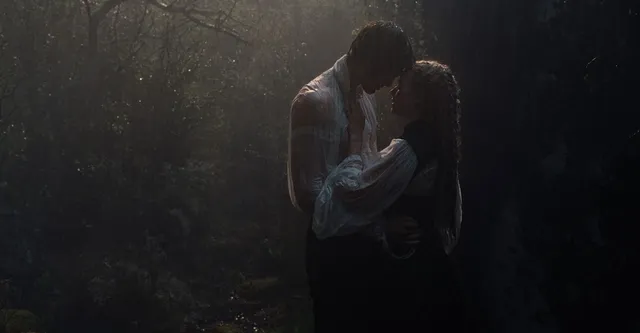
Judging by “Wuthering Heights”’ doubling down on all her trademarks, plus its box office success thus far, Fennell is unlikely to change her ways anytime soon. In this film, she goes all in on controversial depictions of sexual dynamics, heightening problematic elements of the original story to truly rile some people up. That, combined with the whitewashing of Heathcliff and the chopping up of Brontë’s ‘sacred text’, suggests Fennell knows exactly what she is doing, and doesn’t mind, or maybe even enjoys leaning into a divisive and distinctive filmmaking style.
It might not win her many critical plaudits, but altering course now would arguably be more disingenuous and detrimental to her career. Fennell has established her brand, and it’s allowed her to play around with a beloved classic. This definitely won’t be the last we see of her.