The 'Worst' Fast & Furious Movie Is More Important Than Ever 20 Years Later

When it was released in 2006, The Fast and the Furious: Tokyo Drift was touted as a standalone story. Due to it missing the chemistry of undercover cop Brian O’Conner and racing guru Dominic Toretto, the film was an unmitigated disaster that almost ended the series.
Whether it was the introduction of new character Sean, the geographical change, or the Karate Kid approach to the story, audiences at the time couldn’t understand Tokyo Drift. Now, 20 years later, Tokyo Drift has had a slight reappraisal.
The story is still lacking that fun factor of the two movies before it, and Sean is a difficult protagonist to connect with (and a very hard sell as a high-school teen), but the film has somehow become integral to the series.
No longer a standalone film, Tokyo Drift has been tirelessly worked into the wider franchise, and, in doing so, has one of the most pivotal moments in the saga. So how did Tokyo Drift go from franchise outlier to fully fledged family member?
Why Was Tokyo Drift Made?

Although Paul Walker agreed to return as Brian O’Conner in 2 Fast 2 Furious, he declined the chance to come back for a third film. At the time the actor was wary of getting tied into one franchise, and instead spent his 2006 starring in the radically different Eight Below, Running Scared, and Flags of Our Father. Having not returned for the sequel, Vin Diesel was also not prepared to lead another Fast film. Despite its leading men wishing to pursue other avenues, the two films had been very successful, especially with the teenage crowd, and so Universal decided to go in a new direction.
Tokyo Drift was the result and was intended to draw the teen audience in further by making the protagonist a high-school student. The film also presented the opportunity to reboot the franchise with a new set of characters that could go on to have more adventures. Unfortunately, the lack of Brian and Dom meant that many simply weren’t interested. Ten movies and one spin-off later, Tokyo Drift remains the lowest earning entry in the Fast franchise.
What is Tokyo Drift About and is Vin Diesel in it?

Tokyo Drift follows American teen Sean Boswell as he is shipped by his mother from the States to Japan. His banishment is the result of one too many run-ins with law and Sean’s love of street racing. Upon his arrival in Tokyo, Japan, Sean finds himself at odds with both the new culture around him and his estranged father.
At school he befriends Twinkie who introduces him to Tokyo’s version of street racing: drifting. Sean is not good at the manoeuvre, and after wrecking one of his cars, is taken under the tutelage of retired drift racer, Han. Along the way Sean falls for fellow student Neela, a girl with ties to the Yakuza, which causes all kinds of problems for the teen as he battles for the title of DK (Drift King).
Having sat out the previous movie, Vin Diesel agreed to play a very small part in Tokyo Drift. His cameo takes place during the very final scene. Sean, now the victorious new DK, is hanging out at a race meet when Twinkie approaches him and says he has been challenged to a race. At first Sean dismisses the request, but after learning that the mystery driver knew Han, he agrees. As he rides up to the start line he is greeted by none other than Dominic Toretto, and the pair then share a brief conversation about Han before speeding off into the movie's end titles.
Where Does Tokyo Drift Fit into the Fast and the Furious Timeline?

Upon release, Tokyo Drift was the third movie in the Fast franchise. Initially viewed as a standalone movie outside of the series, as the movies have progressed, the film has become more integral. This is primarily due to its inclusion of franchise favourite Han. Han operates as Sean’s Mr. Miyagi-style drifting mentor and confidante. During the film, Han dies, and it is his death that spurs Sean on to win the title of DK once and for all.
Despite his death, Han arrived in Fast and Furious, the fourth film in the series, very much alive. With Han also in both Fast Five and Six, the events of Tokyo Drift are pushed back even further. During the closing coda of Fast Six, the action moves to Tokyo and shows more of Han’s death scene. The sequence reveals Jason Statham’s Deckard Shaw as Han’s murderer, having sought revenge on Dom and his crew after they took down his brother, Owen Shaw. This reveal sent ripples through the Fast fandom as it suddenly became clear that Tokyo Drift was technically a prequel to films four to six.
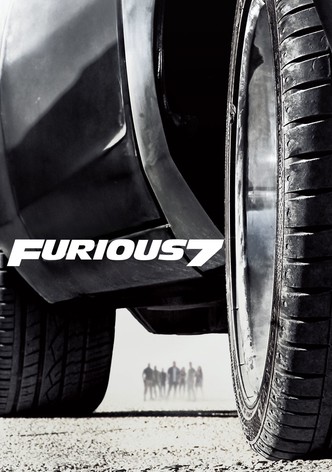
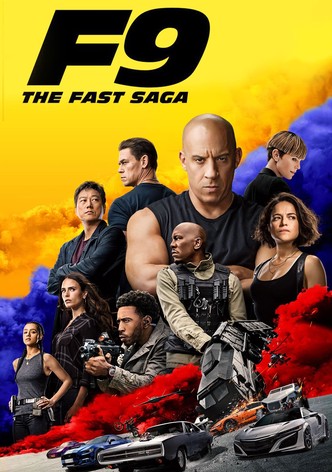
Tokyo Drift was further embraced by the franchise during Furious 7. This film deals with the fallout of Han’s death and finds Dom and his crew battling Deckard Shaw. During the story Dom is seen visiting Tokyo and suddenly the character's appearance in the third film goes from cameo to intrinsic plot development. Set in the aftermath of the race teased in the cameo, Dom and Sean bond over Han, with Dom promising to get vengeance. Sean is then brought back into the franchise in F9 where he helps Roman and Tej with their space mission.
If you want to watch Tokyo Drift in its rightful story arc position, the viewing order would be The Fast and the Furious, 2 Fast 2 Furious, Fast and Furious, Fast Five, Fast Six, then Tokyo Drift, before continuing on with Furious 7, and the rest of the Fast and Furious movies in number order to Fast X.
For the most accurate timeline viewing, Fast Six should be stopped just ahead of the coda, then Tokyo Drift should be played till Han’s crash, at which point you'd make a quick revisit to the sixth film for that final moment, before pressing play on the rest of Tokyo Drift. Just be sure to stop ahead of the final scene.
This sequence has to wait until partway into Furious 7. Watch until Dom says he’s going to Tokyo, and then at this point Tokyo Drift can be flipped back to for its final moment. Then, and only then, can the rest of the franchise be watched in its entirety. It’s a very convoluted method of viewing but a fun one to attempt if you're the kind of Fast fanatic who likes to live life a quarter mile at a time.